

Teeth are remarkably durable, but they are not indestructible. Years of chewing, grinding, accidents, and decay take a toll. A cracked molar, a worn front tooth, or a gap from a missing tooth affects more than your appearance. It changes how you eat, how you speak, and how your jaw aligns over time.
If you are dealing with damaged or missing teeth, dental restoration services offer solutions that go beyond cosmetic improvement. The right restoration protects the surrounding teeth, prevents bone loss, and restores proper function so you can return to normal daily life without discomfort or self-consciousness.
Why Teeth Break, Wear Down, or Fall Out
 Understanding the cause of tooth damage helps determine the right restoration and prevents future problems. Tooth damage rarely happens without a reason, and identifying that reason is the first step in any treatment plan.
Decay is the most common cause. When a cavity goes untreated, it spreads deeper into the tooth, weakening the structure until the tooth fractures or breaks. A large filling from years ago can also fail, leaving the tooth vulnerable to cracking around the edges.
Grinding, or bruxism, is another major cause. Many people grind their teeth at night without realizing it. Over time, the enamel wears down, teeth become shorter and flattened, and micro-cracks develop that can eventually lead to fractures.
Trauma from sports, falls, or accidents can chip, crack, or knock out a tooth entirely. Even if the damage seems minor at first, a cracked tooth can worsen over time and eventually require more extensive treatment if not addressed early.
Fillings for Smaller Areas of Damage
Fillings are the most common form of dental restoration and are used when a tooth has a cavity or a small area of damage that can be repaired without a full crown.
The process involves removing the decayed or damaged portion of the tooth and filling the space with a durable material. Modern fillings are typically tooth-coloured composite resin, which bonds directly to the tooth and blends in with the natural enamel. This is a significant improvement over older silver amalgam fillings, which are visible and do not bond as strongly to the tooth.
A filling works when the tooth has enough healthy structure remaining to support it. If the damage is too extensive, a filling will not provide enough strength, and a crown becomes the better option. Your dentist will assess the extent of the damage before recommending which approach is right for your tooth.
Crowns for Teeth That Need Full Coverage
A dental crown is a cap that covers the entire visible portion of a tooth above the gumline. Crowns are recommended when a tooth is too damaged for a filling but still healthy enough to save. This includes teeth with large fillings, cracks, root canal treatment, or significant wear.
The crown restores the tooth’s shape, strength, and function. It is custom-made to match the colour and size of your natural teeth, so it blends in with your smile. The process usually requires two visits, one to prepare the tooth and take impressions, and one to place the permanent crown.
A crown protects a weakened tooth from further damage and distributes chewing forces evenly. Without a crown, a cracked or heavily filled tooth is likely to fracture further, which can eventually lead to the need for extraction and replacement with an implant or bridge.
Implants for a Permanent Tooth Replacement
Dental implants are the most durable and natural-feeling option for replacing a missing tooth. An implant consists of a titanium post that is placed in the jawbone, where it fuses with the bone over several months. Once the post is integrated, a crown is attached to create a complete replacement tooth.
Implants offer several advantages over other options. They do not require altering the neighbouring teeth, they prevent bone loss in the jaw, and they function and look like a natural tooth. With proper care, an implant can last a lifetime, making it one of the most cost-effective long-term restorations available.
The process takes longer than a bridge or crown, usually several months from start to finish, because the bone needs time to heal around the implant post. Not every patient is a candidate for implants, so your dentist will assess your bone density, gum health, and overall oral health before recommending this option.
Dentures for Multiple Missing Teeth
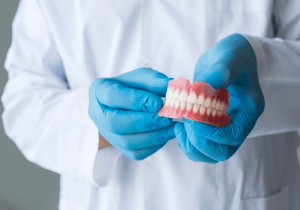 When several teeth are missing, dentures offer a practical and affordable restoration. Dentures can be partial, replacing a few teeth, or complete, replacing all teeth in the upper or lower arch.
Modern dentures are designed to fit comfortably and look natural. The Ontario Dental Association offers resources for finding a dentist in Ontario for restorative care who can fit custom dentures that match the shape of your mouth and the colour of any remaining teeth. Partial dentures attach to existing teeth with clasps or precision attachments, while complete dentures rest on the gums and are held in place by suction and adhesive.
Dentures restore the ability to chew and speak clearly, and they support the facial muscles that can sag when teeth are missing. While they take some time to adjust to, modern materials and fitting techniques have made them more comfortable and natural-looking than ever before.
What to Expect During the Restoration Process
The restoration process varies depending on the treatment, but every case begins with a thorough exam and assessment. Your dentist examines the damaged tooth or teeth, takes x-rays or digital scans, and discusses your options with you.
For most restorations, the process involves preparing the tooth, taking impressions, and placing a temporary restoration while the permanent one is made in a dental lab. Once the permanent restoration is ready, you return for a final fitting where the dentist checks the fit, colour, and bite before cementing it in place.
Throughout the process, your dentist ensures you are comfortable and informed. If you feel anxious about dental work, talk to your dentist about options for sedation or relaxation techniques that can make the experience more manageable.
Restoring Your Smile With Paradigm Dental
Dental restoration services do more than repair teeth. They restore confidence, comfort, and function so you can live without the daily frustration of damaged or missing teeth. Whether you need a simple filling or a full implant, the right restoration protects your oral health for years to come.
Paradigm Dental provides a full range of restorative dentistry services tailored to each patient’s needs. If you are living with broken, worn, or missing teeth, contact the Paradigm Dental team to book a consultation and explore your restoration options.
FAQs
What are dental restoration services?
Dental restoration services repair damaged, decayed, or missing teeth using treatments like fillings, crowns, bridges, implants, and dentures. The goal is to restore both function and appearance so you can chew, speak, and smile normally. A dentist recommends the right restoration based on the extent of the damage and your overall oral health.
How do I know if I need a filling or a crown?
A filling is used when a tooth has a small area of damage or decay and enough healthy structure remains to support it. A crown is recommended when the damage is too extensive for a filling and the tooth needs full coverage to prevent further fracture. Your dentist will assess the tooth and recommend the appropriate option.
Are dental implants better than bridges?
Both have advantages. Implants do not require altering neighbouring teeth and prevent bone loss in the jaw, but the process takes several months. Bridges are faster and are a good option when the surrounding teeth already need crowns. Your dentist will help you choose based on your oral health, timeline, and budget.
How long do dental restorations last?
The lifespan depends on the type of restoration and how well it is maintained. Fillings may last ten to fifteen years, crowns and bridges often last fifteen years or more, and implants can last a lifetime with proper care. Regular dental checkups and good oral hygiene are essential for extending the life of any restoration.
Can a broken tooth always be saved?
In many cases, yes. A crown can often save a cracked or broken tooth if the root is healthy and there is enough structure to support it. However, if the crack extends below the gumline or the tooth is severely compromised, extraction and replacement with an implant or bridge may be necessary. Early treatment improves the chances of saving the tooth.