

If you are searching for a teeth whitening dentist, you are likely looking for results you can trust without the sensitivity and guesswork that often comes with over-the-counter products. Whitening seems simple, but it is one of the most common cosmetic treatments where the details matter. The right plan depends on your tooth structure, your existing dental work, and the type of staining you are dealing with.
Many people start with strips or online kits and end up disappointed. The teeth may look patchy, the results may fade quickly, or the gums may feel irritated for days. Whitening is not one-size-fits-all, and dentist guidance can be the difference between a confident smile and an uncomfortable experience.
Why Teeth Become Discoloured in the First Place
 Tooth discolouration usually falls into two categories: extrinsic stains on the surface and intrinsic discolouration inside the tooth. Each type responds differently to whitening, which is one reason professional guidance matters.
Extrinsic staining is caused by things that contact the enamel. Coffee, tea, red wine, and tobacco are common culprits. These stains tend to respond well to whitening because they are on or near the outer surface of the tooth.
Intrinsic discolouration is deeper and can come from aging, trauma to a tooth, certain medications, or developmental factors. These cases may still improve with whitening, but the results are less predictable and may require a different approach. Some intrinsic discolouration requires restorative solutions rather than whitening alone.
A dentist helps identify which type of discolouration you have. This assessment is important because it sets realistic expectations and prevents you from overusing whitening products in an attempt to fix a problem that whitening cannot fully solve.
What Can Go Wrong With DIY Whitening
Over-the-counter whitening products can be helpful for mild, surface-level stains. The challenge is that most people do not know when they are using them safely or when they are pushing too far. This is where problems begin.
One of the most common issues is sensitivity. Whitening gels work by opening up microscopic pathways in enamel and dentin to lift stains, which can temporarily irritate the nerve. When people use strips too frequently, leave them on too long, or stack multiple products, sensitivity becomes more intense and longer lasting.
Gum irritation is another common problem. Generic trays and strips can shift, and whitening gel can leak onto the gums. This can cause burning, soreness, and inflammation that makes brushing uncomfortable for days.
Uneven results are also common. If you have gum recession, exposed root surfaces do not whiten the same way enamel does. If you have micro-cracks, worn enamel, or areas of demineralization, whitening can highlight differences rather than blending them. Many people interpret this as the product not working, when it is actually working unevenly.
DIY whitening can also mask underlying issues. Health Canada’s oral health guidelines for Canadians emphasize that cavities, leaky fillings, and early gum disease must be addressed before whitening, since the process does not treat these conditions. In some cases, it increases discomfort and delays care that would prevent more serious problems later.
Why a Dentist Exam Comes First
A professional whitening plan should start with an exam. This step is not about making whitening complicated. It is about ensuring your teeth and gums are healthy enough for whitening and that the treatment will look even.
A teeth whitening dentist checks for decay, gum inflammation, and existing restorations. Cavities and leaking fillings can allow whitening gel to penetrate deeper, which can cause significant pain. Inflamed gums are more vulnerable to irritation and make whitening less comfortable.
Your dentist also looks at gum recession and wear. Recession exposes dentin and root surfaces, which can increase sensitivity and cause colour mismatch after whitening. Worn enamel can make teeth appear more yellow because dentin shows through, and whitening may be only part of the solution.
This pre-whitening evaluation protects you from unpleasant surprises. It also helps your dentist recommend a plan that fits your goals, whether you want a subtle refresh or a more noticeable change.
In-Office Whitening vs Take-Home Kits From a Dentist
When patients think of professional whitening, they often picture an in-office session. That is one option, but dentist-provided take-home kits are another excellent choice, especially for people who want gradual results with less sensitivity.
In-office whitening is faster. It uses higher-concentration whitening agents under controlled conditions, with gum protection and professional monitoring. This is a good option if you want results quickly for an event and your dentist confirms your teeth are a good candidate.
Take-home kits from your dentist use custom trays made to fit your teeth precisely. Because the trays seal closely, less gel leaks onto the gums and the product spreads evenly across the teeth. The concentration is typically lower than in-office whitening, which makes the process gentler and easier to control.
A dentist can recommend which option is best based on your sensitivity history, the type of staining you have, and how quickly you want results. For many patients, take-home kits provide the best balance of comfort, control, and long-term maintenance.
Why Custom Trays Make a Difference
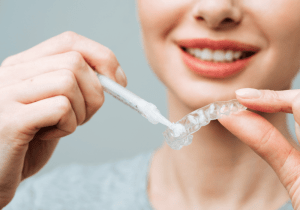 Custom trays are one of the most important reasons professional guidance leads to better whitening outcomes. A tray that fits well keeps the whitening gel where it belongs and reduces irritation.
Store-bought trays are designed to fit everyone, which means they fit no one perfectly. They may press into the gums, leave gaps near certain teeth, or shift as you talk. This leads to uneven gel contact and uneven results.
Custom trays are made from an impression or digital scan of your teeth. They sit snugly against the tooth surfaces and stop at the gumline, which helps prevent gel from spreading into soft tissue. This improves comfort and makes results more consistent.
Custom trays also support long-term maintenance. Once you have trays, you can do occasional touch-ups as recommended by your dentist, rather than starting from scratch with new products each time stains return.
Managing Sensitivity and Keeping Whitening Comfortable
Sensitivity does not mean whitening is unsafe, but it does mean the plan needs adjustment. A dentist helps you minimize discomfort so you can complete treatment without dreading the next application.
Common strategies include:
- Shorter wear time. Reducing how long you wear the whitening gel can lower sensitivity without eliminating results.
- Lower concentration gel. A slower approach often produces similar final results with less discomfort.
- Spacing out sessions. Whitening every other day instead of daily allows teeth to recover.
- Desensitizing products. Specific toothpastes or in-office treatments can reduce nerve irritation.
- Addressing recession. If exposed root surfaces are driving sensitivity, your dentist can discuss options to protect those areas.
These adjustments are hard to make confidently without guidance. Many DIY users either push through the pain and risk worsening sensitivity, or stop early and feel disappointed. Professional oversight helps you find a comfortable middle ground.
Choosing Professional Whitening With Paradigm Dental
Professional whitening is not just about brighter teeth. It is about protecting your enamel, preventing irritation, and getting results that look even and natural. When whitening is guided properly, the experience is safer, more comfortable, and more predictable.
Paradigm Dental offers professional teeth whitening and cosmetic dentistry options designed around your needs and comfort. If you are ready to explore the safest and most effective way to brighten your smile, contact the Paradigm Dental team to discuss your options and book a consultation.
FAQs
Is professional whitening better than whitening strips?
For many people, yes. Professional whitening is tailored to your teeth, monitored for sensitivity, and designed to produce even results. Whitening strips can work for mild staining, but they often cause gum irritation and uneven whitening because they do not fit perfectly. A dentist can help you choose the safest option for your situation.
How long do teeth whitening results last?
Results can last several months to a few years depending on your habits. Coffee, tea, red wine, and tobacco can cause stains to return faster. Most patients benefit from occasional touch-ups using dentist-provided trays. Regular cleanings also help maintain brightness by removing surface stains before they build up.
Will whitening make my teeth sensitive?
It can, but sensitivity is usually temporary and manageable. A dentist can adjust gel strength, wear time, and frequency to reduce discomfort. Using a desensitizing toothpaste and spacing out whitening sessions also helps. If sensitivity is severe, it may be a sign of underlying issues that should be checked before continuing.
Can I whiten if I have crowns or fillings?
Yes, but whitening only affects natural tooth enamel. Crowns, fillings, veneers, and bonding do not lighten, which can create a mismatch if you whiten aggressively. A dentist will assess your restorations and help plan the shade change so your smile stays balanced, including discussing replacement of visible restorations if needed.
Are take-home whitening kits from a dentist worth it?
Many patients find they are. Dentist-provided take-home kits use custom trays that fit precisely, which improves comfort and helps prevent gum irritation. The gel concentration is tailored to your sensitivity level, and you can whiten at a pace that works for you. For most people, the results are more consistent and longer lasting than over-the-counter alternatives.