

Dental problems do not always announce themselves with a dramatic injury. Sometimes an emergency starts as a toothache that becomes increasingly painful or swelling that seems to appear overnight. Knowing when to seek emergency dental care can help you respond before a manageable problem becomes more difficult to treat.
Some dental concerns can wait for a regular appointment while others need attention as soon as possible. The difference often comes down to the severity of the symptoms and whether there is an injury, infection, significant bleeding or a risk of further damage.
If you are unsure about your symptoms, contacting a dental office and describing what is happening can help determine the appropriate next step.
Severe or Persistent Tooth Pain
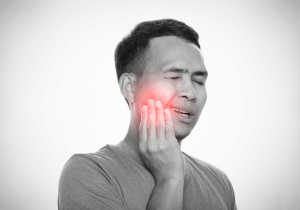 A sudden toothache can be easy to dismiss at first. You may assume that it will settle down on its own or that a pain reliever will solve the problem. However, significant or persistent pain can indicate an underlying dental issue that needs professional assessment.
Tooth pain may be associated with decay, damage to the tooth, inflammation or an infection. The location and intensity of the pain can also change over time. Pain that becomes severe or makes it difficult to eat, sleep or carry out normal activities deserves prompt attention.
Rather than repeatedly trying to manage worsening pain at home, contact your dentist and explain what you are experiencing. A dental professional can assess the tooth and determine what treatment may be appropriate.
Swelling Around the Tooth or Face
Swelling is another sign that should not be ignored. It may occur around a tooth or along the gums and can sometimes extend into the cheek or jaw.
Dental infections can cause pain and swelling. If swelling is increasing or is accompanied by fever or feeling generally unwell, seek dental advice promptly.
Rapid swelling involving the mouth, tongue or throat can be more serious. If swelling affects breathing or swallowing, seek emergency medical care rather than waiting for a routine dental appointment.
The goal is not to diagnose the cause yourself. Instead, pay attention to changes in your symptoms and seek professional help when swelling is significant, worsening or accompanied by other concerning symptoms.
A Tooth Has Been Knocked Out
A knocked-out permanent tooth requires particularly quick attention. If the tooth can be found, handle it by the crown rather than the root and gently rinse it with water if it is dirty. Do not scrub the tooth.
If possible, a permanent tooth may be placed back into its socket. If that is not practical or there is a risk of swallowing it, keeping it in milk while travelling to a dentist can help protect the tooth. The sooner professional care is provided, the better the opportunity may be to save the tooth.
A knocked-out baby tooth should not be put back into the socket. A child should still be assessed by a dentist after the injury.
Broken, Cracked or Chipped Teeth
A chipped tooth is not always an emergency. A small chip without pain may be suitable for a regular dental appointment. A tooth that has broken significantly, is causing pain or has sharp edges that are cutting the mouth should be assessed promptly.
A dental injury can expose sensitive areas of the tooth or leave it vulnerable to further damage. If you have a piece of the broken tooth, keep it and bring it with you to the appointment.
Until you can be seen, avoid chewing on the affected side. Choosing softer foods can also reduce pressure on the damaged tooth.
Bleeding That Does Not Stop
Some bleeding after an injury or dental procedure can be expected. Persistent or heavy bleeding is different and may require prompt attention.
If bleeding follows an injury, applying steady pressure with clean gauze or cloth may help. If the bleeding does not slow down or is severe, contact a dental professional or seek emergency medical care depending on the circumstances.
Heavy bleeding accompanied by a serious facial injury should not be treated as a routine dental concern. When in doubt, describe the situation to a healthcare professional and follow their guidance.
What Should You Do While Waiting for Care?
 The steps you take before reaching a dentist depend on the type of emergency. The safest approach is to avoid making the injury worse while arranging professional assessment.
For a dental injury, rinse the mouth gently with water and use a cold compress on the outside of the face if swelling is present. Avoid placing aspirin directly against the tooth or gums because it can irritate the tissue.
If a permanent tooth has been knocked out, focus on getting professional care quickly and keep the tooth moist while travelling to the dentist. If a piece of broken tooth is available, bring it with you.
You should also avoid using the affected tooth for chewing. Hard foods can put additional pressure on a damaged tooth and may make a crack or break worse.
When a Dental Problem Can Wait
Not every uncomfortable dental symptom requires immediate emergency treatment. A minor chip, mild sensitivity or a small concern that is not worsening may be appropriate for a regular appointment.
That does not mean you should ignore the problem. Dental issues can change over time and symptoms can sometimes become more serious.
If you notice a new problem that persists or gets worse, scheduling an assessment is a practical way to find out what is causing it. If you are unsure whether your situation is urgent, calling your dental office can help you determine how quickly you should be seen.
How Regular Dental Care Can Help
Emergency visits are sometimes unavoidable. Accidents happen, and dental problems can develop unexpectedly. However, regular dental care can help identify certain problems before they become more serious.
Routine examinations allow your dentist to look for signs of decay, gum problems, damaged teeth and other concerns. Professional cleanings can also help remove plaque and tartar that cannot always be addressed through daily brushing and flossing.
If you are due for a cleaning or have been putting off a dental concern, you can learn more about dental cleaning services at Paradigm Dental.
Regular care does not guarantee that dental emergencies will never happen. It can give you more opportunities to address developing concerns before they become painful or require urgent attention.
Get Prompt Attention for a Dental Concern
A dental emergency can be stressful, especially when you are unsure what to do next. Recognizing concerning symptoms and contacting a dental professional promptly can help you get the appropriate care.
If you are experiencing a dental problem and want to discuss your symptoms with the team at Paradigm Dental, contact the dental office to ask about your next step.
FAQs
What qualifies as a dental emergency?
Severe tooth pain, significant swelling, uncontrolled bleeding, serious dental injuries and a knocked-out permanent tooth can require prompt attention. If you are uncertain about the severity of your symptoms, contact a dental professional for guidance.
Should I go to the emergency room for a dental problem?
A dentist is usually the appropriate professional for many dental emergencies. However, serious facial injuries or swelling that affects breathing or swallowing may require emergency medical care.
Can a broken tooth wait until my regular appointment?
It depends on the injury. A small chip without pain may not require immediate treatment, while a painful or significantly broken tooth should be assessed promptly. Contact your dentist if you are unsure.