
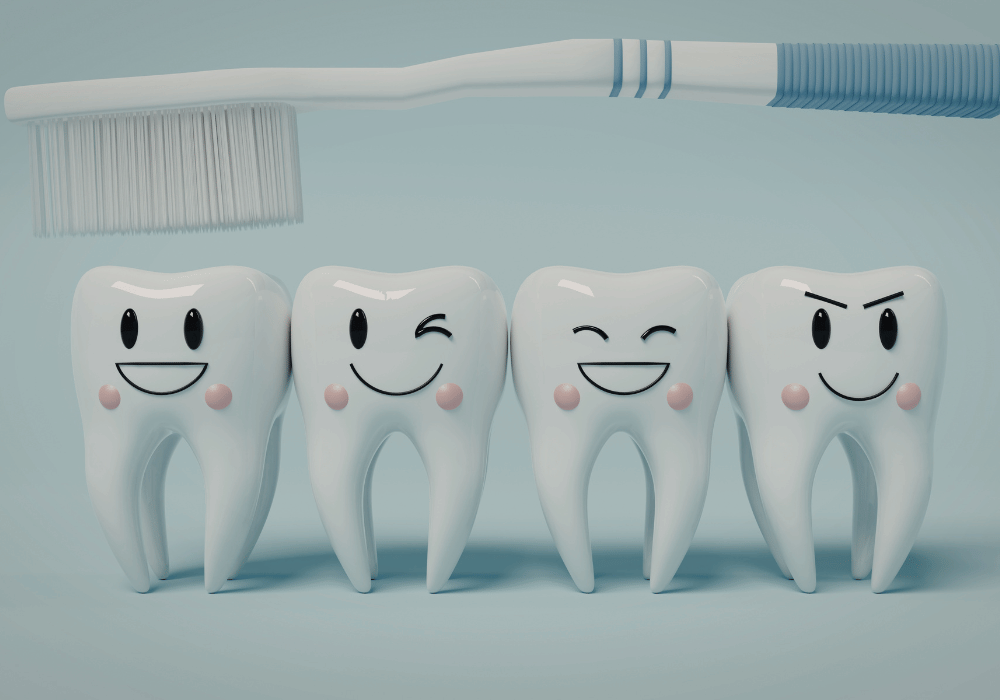
Leaving the dentist with a freshly polished smile feels incredible. Your teeth feel remarkably smooth, and your breath is perfectly fresh. You naturally want that clean feeling to last as long as possible. Maintaining that high level of oral hygiene at home requires consistent daily effort. The habits you practice in your own bathroom determine the long-term health of your teeth.
Many people struggle to keep their teeth in perfect condition between their scheduled checkups. Life gets busy, and evening routines sometimes feel rushed. Skipping a quick flossing session might not seem like a big deal in the moment. These small habits actually build the foundation of your overall oral health. A proper daily dental cleaning routine protects your gums and prevents painful cavities from forming.
You have the power to protect your smile every single day. We want to share practical advice to help you maintain exceptional oral hygiene at home. These simple adjustments to your daily routine will keep your teeth strong and healthy. Following these steps also makes your next professional checkup much easier and faster.
The Foundation of Proper Brushing
 Brushing your teeth is the absolute most important defence against plaque buildup. You should brush your teeth at least twice a day without exception. Doing this right after you wake up clears away the bacteria that accumulated overnight. Brushing before you go to sleep removes the food particles and sugars left over from your meals.
The technique you use matters just as much as how often you brush. You should hold your toothbrush at a slight forty-five-degree angle toward your gums. Use short and gentle circular motions to clean the front and back of every single tooth. Scrubbing your teeth aggressively back and forth actually damages your protective enamel over time. A gentle touch cleans the surface effectively without harming your delicate gum tissue.
Timing your brushing sessions is another crucial factor for success. Most dental professionals agree that you need to brush for a full two minutes each time. You can divide your mouth into four distinct sections and spend thirty seconds on each quadrant. Playing a short song on your phone helps ensure you brush for the correct amount of time.
Choosing the Right Tools for the Job
The toothbrush you use heavily impacts the quality of your daily routine. You should always select a brush with soft bristles to protect your enamel. Hard bristles wear down the surface of your teeth and push your gums away from the roots. An electric toothbrush often provides a superior clean because the vibrating head does most of the hard work for you. Many modern electric models even include built-in timers to keep you on track.
Replacing your toothbrush regularly is a habit many people completely forget about. You need to buy a new brush or attach a new replacement head every three months. Frayed bristles lose their ability to sweep plaque away from your gum line effectively. You should also replace your brush immediately after recovering from a cold or a viral infection. Using a fresh brush ensures you are not reintroducing old bacteria into your mouth.
Your choice of toothpaste also plays a major role in your daily defence. Look for a trusted brand that contains fluoride to help strengthen your enamel against daily wear. Fluoride actively repairs microscopic damage before it turns into a noticeable cavity. If you experience pain when drinking cold liquids, you might want to try a specialized sensitivity formula.
Making Flossing a Daily Priority
Brushing alone only cleans about sixty percent of the total surface area of your teeth. The tight spaces between your teeth trap tiny food particles that your brush simply cannot reach. If you leave this debris sitting there, it quickly hardens into stubborn tartar. Flossing is the only reliable way to clean these hidden spaces effectively.
Many patients admit they only floss the week before their dental checkup. You need to make this practice a non-negotiable part of your daily evening routine. Take a long piece of floss and wrap it securely around your middle fingers. Guide the string gently between your teeth and curve it against the side of each tooth. Slide it up and down carefully to scrape away the hidden plaque hiding near the gum line.
You can read excellent professional guidance regarding brushing and flossing to perfect your daily technique. If traditional string floss hurts your hands, you have other highly effective options available. Dental picks with small handles make reaching the back molars much easier for many people. Water flossers also provide a fantastic alternative by using a targeted stream of water to flush out trapped food.
The Benefits of Daily Rinsing
 Adding a therapeutic mouthwash to your routine provides an extra layer of protection for your smile. A good rinse flushes out the loose debris you missed while brushing and flossing. It reaches the very back of your throat and cleans the soft tissues inside your cheeks. This liquid reaches the tiny crevices where bacteria love to hide and multiply.
You should choose a rinse that specifically matches your personal oral health needs. Some formulas focus heavily on killing the bacteria that cause severe bad breath. Other options contain extra fluoride to give your enamel an additional strengthening boost. Ask your dentist for a specific recommendation during your next visit to ensure you pick the right product.
Timing your rinse correctly maximizes the protective benefits for your teeth. You should wait a few minutes after brushing before you use your mouthwash. Rinsing immediately washes away the helpful fluoride left behind by your toothpaste. Using your mouthwash at a different time of day provides a quick and refreshing clean after your lunch break.
How Your Diet Impacts Your Smile
The foods you choose to eat directly impact the health of your teeth and gums. Bacteria in your mouth feed aggressively on sugar and produce harmful acids as a byproduct. These invisible acids slowly eat away at your enamel and eventually cause painful cavities. Limiting your daily sugar intake is one of the smartest decisions you can make for your oral health.
Sticky candies and sweet treats cause the most damage because they cling directly to your teeth. If you do enjoy a sweet dessert, you should try to eat it alongside a regular meal. The extra saliva your mouth produces during a full meal helps wash away the sugar naturally. Drinking a large glass of plain water after eating anything sweet also helps neutralize the harmful acids.
Crunchy vegetables act like natural toothbrushes while you chew them. Foods like raw carrots and crisp apples help scrub the surface of your teeth gently. Dairy products like cheese and plain yogurt provide essential calcium that keeps your jawbone strong. Building a balanced diet protects your overall physical health while keeping your smile looking bright.
Staying Hydrated for Oral Health
Drinking plenty of plain water is incredibly beneficial for your teeth. Water naturally washes away lingering food particles before bacteria can use them for fuel. It also dilutes the harmful acids produced by the bacteria hiding in your mouth. Replacing sugary sodas and sports drinks with plain water drastically reduces your risk of developing cavities.
Your mouth needs adequate moisture to produce enough saliva throughout the day. Saliva is your body’s natural defence mechanism against tooth decay and gum infections. It contains specialized minerals that constantly repair microscopic damage to your enamel. If your mouth feels dry frequently, you face a much higher risk of dental complications. Keeping a reusable water bottle nearby helps you stay hydrated from morning until night.
Dealing with Sensitivity and Bleeding
You should always pay close attention to the warning signals your mouth sends you. Healthy gums should look firm and light pink. If you notice blood in the sink after brushing you might be scrubbing too aggressively. Mild bleeding can also indicate the very early stages of a gum infection called gingivitis. Improving your flossing habits usually resolves minor gum irritation within a few weeks.
Sudden tooth sensitivity to hot or cold temperatures requires immediate attention. This sharp pain often means your protective enamel has worn thin or a new cavity has formed. Ignoring this pain allows the underlying issue to worsen and potentially reach the sensitive nerve center of the tooth. You should call your dental office right away if you experience sharp pain that lasts longer than a few days.
Practicing excellent hygiene at home makes your professional visits highly efficient and entirely painless. Your hygienist will spend far less time scraping away hardened tartar if you floss regularly. A clean mouth allows the dental team to focus on checking for hidden issues instead of just cleaning up surface debris. Consistent daily care protects the financial investment you make in your oral health.
Even with perfect brushing habits, you still need to see a professional regularly. A trained hygienist uses specialized tools to remove the calcified buildup that regular brushing simply cannot touch. They polish the surface of your teeth to remove deep stains caused by coffee and tea. These routine visits also allow your dentist to spot potential problems while they are still tiny and easy to fix.
We are fully committed to helping you maintain a bright and confident smile all year long. Our friendly team provides comfortable care in a highly relaxing environment. We take the time to answer all your questions and show you exactly how to improve your daily routine. If you are due for a checkup, we invite you to explore our dental cleaning services to see how we can help.
Do not wait until you feel pain to schedule your next appointment. Preventive care is the absolute best way to keep your teeth healthy for your entire life. Please book your next dental cleaning today and let our professional team take care of your smile. We look forward to welcoming you to our London clinic very soon.